
Now that AI tools are more publicly accessible than ever before, the question of whether or not it’s good for business looms ever closer. These tools are limited in their capacity to help, but they do show enormous potential that could be indicative of success in the future. Let’s go over some of the questions people have about AI tools.
Bad news for T-Mobile users, they’ve suffered another data breach. Hackers have gained access to customer data for nearly 37 million individuals, including both pre-paid and subscription-based accounts. Let’s look at what has happened and what knowledge you might apply to your own network security practices.
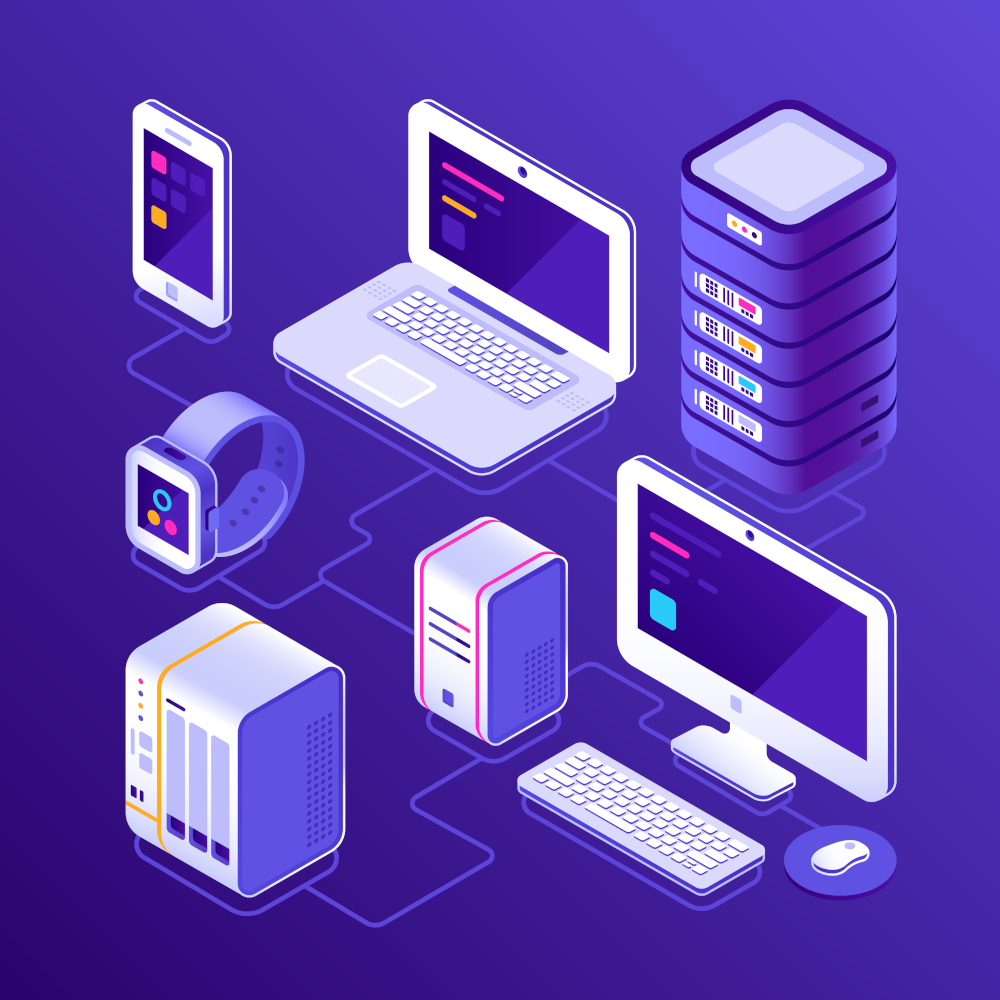
Storing data is crucial for every business, big or small. As a savvy business executive or owner, you know how important it is to keep your data organized, secure, and easily accessible.
Given the growing demand for digital storage and the ever-increasing amount of data generated by businesses, you're probably looking for a more efficient solution. Perhaps it's time you investigated network-attached storage (NAS).
Small businesses have plenty of problems as it is without the added stress that poor security practices can bring about. Small businesses often overlook security because they deem themselves too small to be of any value to a hacker, but this outlook is short-sighted and irresponsible at best. Let’s go over why you’ll need to make security a priority for your business.
AI is a major topic lately, whether it’s on the topic of new and upcoming chatbots that are capable of generating text or making art that can compete with even the most skilled of artists. AI is commonly targeted as a culprit in stealing jobs, as well, and with these applications becoming more sophisticated over time, it’s no wonder people aren’t sure how to react to these developments.
If you consistently find that technology in your office causes more problems than it’s worth, perhaps it’s time to take a closer look at what you could be doing better with your infrastructure. We want you to look at failing or inoperable/inefficient technology as an opportunity for improvement rather than another large expense. A good hardware refresh centered around your organization’s needs can revitalize operations and improve your bottom line.
The past several years have brought about innovations in artificial intelligence, or AI, that has workers worried for their jobs—especially as it moves into more practical and usable mediums. This can all be tied to the Turing Test, a way of measuring the intelligence of a computer, created by one of the most notable minds behind computing, Alan Turing.
While at the moment, passwords are an important part of your security stack, it is important to acknowledge that the concept of the password was always a flawed system and is overdue to be replaced. This may become a widespread reality sooner than you may expect, too, especially with the buy-in that the big names in tech are demonstrating.
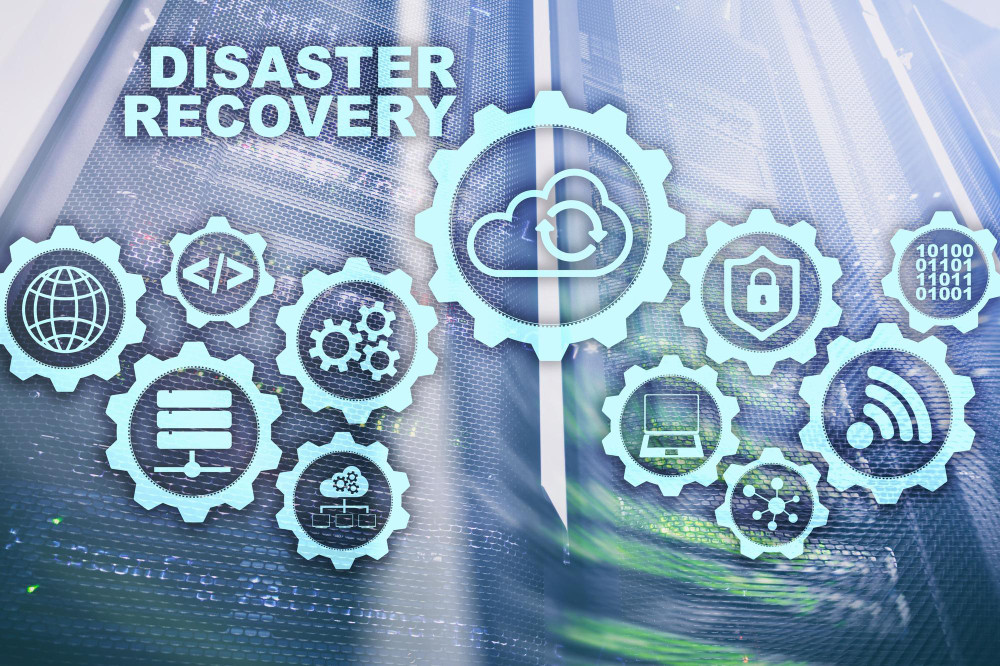
Any slowdown, interruption or complete failure of a critical system or network could result in an IT disaster for your organization. These can be triggered internally by employee errors, cyberattacks, or data breaches, as well as natural disasters like floods or fires that can cause equipment failure and power outages.
Back during the holiday season, the Federal Trade Commission shared some data that showed that members of Generation X, Millennials, and Generation Z are all more likely to fall for online shopping scams than those over the age of 60…and not by a little, either. Those under that age are apparently 86 percent more likely to fall for these scams.
Constant innovation alongside enhanced security mean that today's technology advances are at the forefront of business success. From task automation to data analysis, cloud computing, e-commerce, and machine learning - there are lots of ways that new technology can help take your business to the next level.
Your business might have a full-time IT person, but it also might not have one, and in cases like this, you might find yourself waiting to call your go-to person until you are experiencing a full-blown problem. The reality is that your internal, non-IT staff should not be responsible for the job of your IT department, and if you are relying on someone externally to handle your technology help, then you’ll want to make sure they tick all of the following boxes.
We focus pretty heavily on data backup as an important solution that all businesses should use, and for good reason. It can be all the difference between losing your business’ future or preserving it. We know you don’t like to hear it, but investing in a proper data backup solution is well worth the cost, even if you never have to use it.
If your team has trouble using the technology in your office, then you might be staring down an opportunity to completely revolutionize the way your business functions through the use of new business technology. It could be something as simple as your hardware being old or your systems needing a reexamination of your business processes; whatever it is, upgrading your business technology can pave the way forward.
Whether you like it or not, organizations are going to get hacked. It’s the cruel truth. There are just so many individuals and organizations looking to gain unauthorized access and siphon off data and money from businesses, that it is basically impossible to go long stretches of time to not have to confront it in some way. With the threat landscape what it is, companies now offer cyber insurance. Let’s take a quick look at cyber insurance and what you need to know about it.
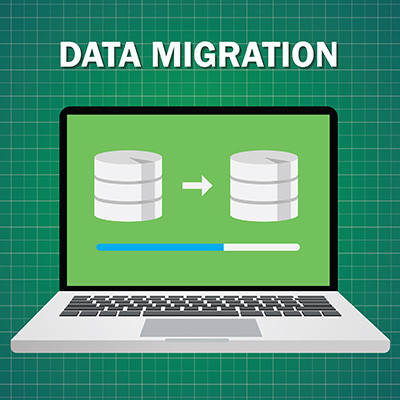
Regardless of the business attempting it, data migration (or the process of moving data and systems to a new piece of infrastructure) is critical to get right. One way to improve your chances of success is to create and follow a migration strategy, evaluating it as you go. Let’s walk through some practices involved in doing so.